Airplanes have revolutionized the way people travel, making it possible to cross continents in just hours. From business trips to international vacations, airplanes play a crucial role in connecting the world.
In this guide, we’ll explore how airplanes work, their types, and tips to make your flying experience safer and more comfortable.
What is an Airplane?
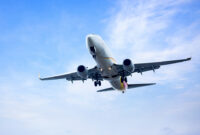
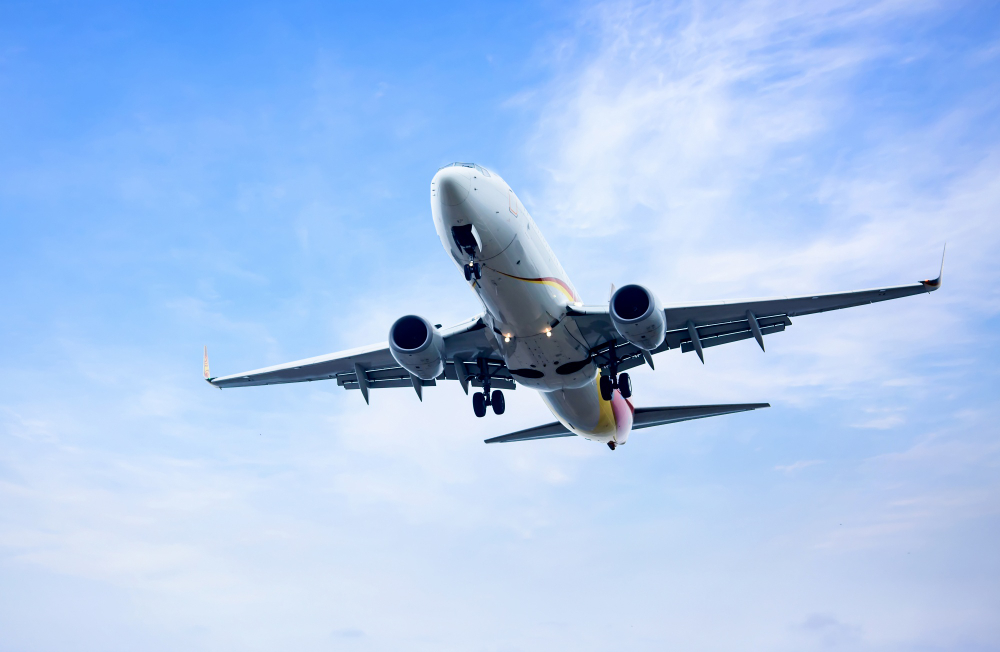
An airplane is a powered flying vehicle with fixed wings designed to transport passengers or cargo through the air. Modern airplanes are engineered with advanced technology to ensure safety, efficiency, and speed.
Key Parts of an Airplane:
- Wings – Generate lift to keep the aircraft in the air
- Engines – Provide thrust for forward movement
- Fuselage – Main body holding passengers and cargo
- Tail (Empennage) – Stabilizes the aircraft
- Cockpit – Where pilots control the plane
How Do Airplanes Fly?
Airplanes rely on four main forces:
- Lift – Upward force created by wings
- Thrust – Forward force generated by engines
- Drag – Air resistance slowing the plane
- Weight – Gravity pulling the aircraft downward
When lift exceeds weight and thrust overcomes drag, the airplane takes off and stays airborne.
Types of Airplanes
1. Commercial Airplanes
Used by airlines to transport passengers.
Examples:
- Boeing 737
- Airbus A320
2. Cargo Airplanes
Designed to carry goods instead of passengers.
3. Private Jets
Used by individuals or corporations for luxury travel.
4. Military Aircraft
Used for defense, surveillance, and combat operations.
Why Airplanes Are Important
Airplanes are essential for modern life and global connectivity.
Key Benefits:
- Fast international travel
- Supports global business and trade
- Boosts tourism industry
- Enables emergency and medical transport
Airplane Safety: How Safe is Flying?
Flying is one of the safest modes of transportation.
Safety Features Include:
- Advanced navigation systems
- Regular maintenance checks
- Highly trained pilots
- Strict international aviation regulations
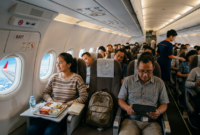
Tips for a Comfortable Flight
1. Choose the Right Seat
Window seats for views, aisle seats for easy movement.
2. Stay Hydrated
Cabin air can be dry, so drink plenty of water.
3. Pack Smart
Keep essentials like headphones, snacks, and chargers in your carry-on.
4. Move During Long Flights
Stretch or walk occasionally to improve circulation.
Future of Airplanes
The aviation industry continues to innovate with new technologies.
Upcoming Trends:
- Electric and hybrid airplanes
- Sustainable aviation fuel (SAF)
- Faster and more fuel-efficient aircraft
- Improved passenger comfort and cabin design
Final Thoughts
Airplanes have transformed global travel, making the world more connected than ever. Understanding how they work and how to prepare for flights can help you travel smarter and more comfortably.
Whether you’re flying for business or leisure, airplanes remain one of the most efficient and safest ways to explore the world.