
Introduction
The United States is one of the global leaders in aviation, with a long history of innovation, technological advancement, and large-scale aircraft production. From commercial airliners to military jets and private aircraft, the U.S. aviation industry plays a crucial role in global transportation, defense, and economic development.
With world-renowned manufacturers and advanced research facilities, aircraft in the United States continue to set standards for performance, safety, and efficiency.
Overview of the U.S. Aviation Industry
The United States has one of the largest and most advanced aviation industries in the world. It includes:
- Commercial aviation
- Military aviation
- General aviation
- Cargo and logistics aviation
The country operates thousands of aircraft daily, supported by an extensive network of airports and air traffic control systems.
Types of Aircraft in the United States
1. Commercial Aircraft
Commercial aircraft are used by airlines to transport passengers and cargo across domestic and international routes. These aircraft are designed for efficiency, safety, and passenger comfort.
2. Military Aircraft
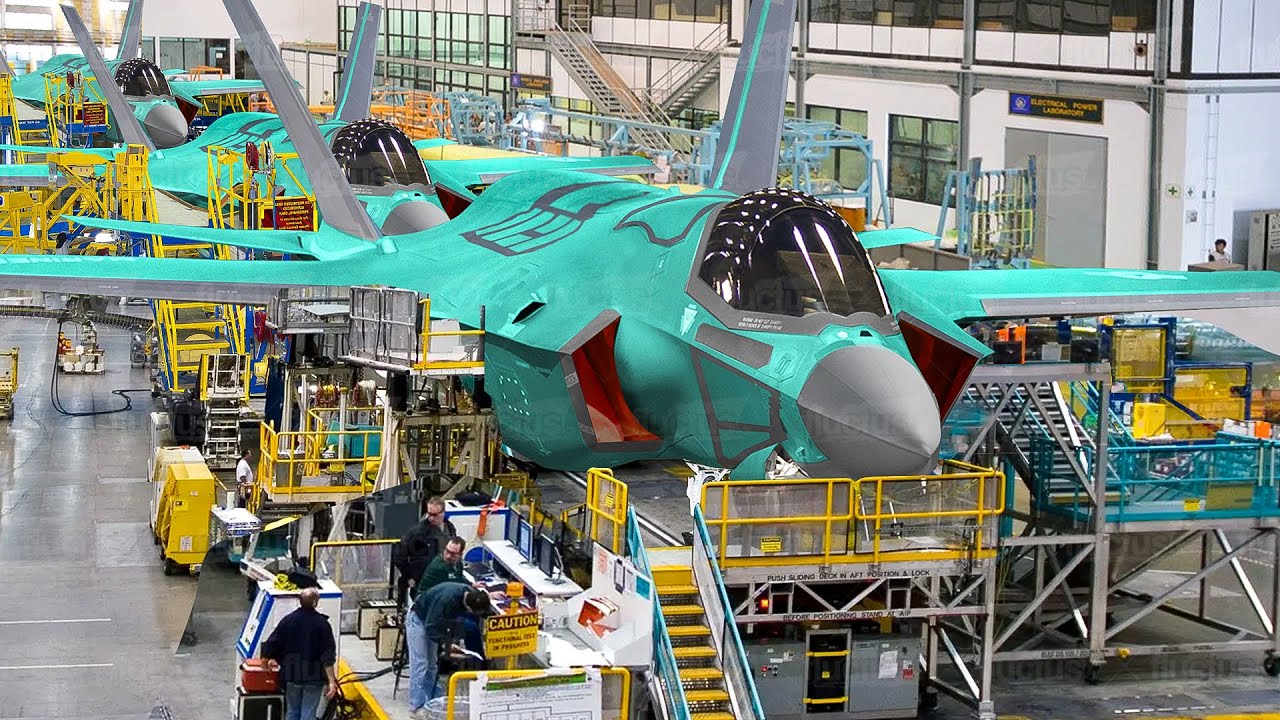
The U.S. military operates some of the most advanced aircraft in the world, including fighter jets, bombers, and surveillance planes. These aircraft are equipped with cutting-edge technology for defense and security.
3. Private and Business Jets
Private aircraft are widely used in the U.S. for business travel and personal transportation. They offer flexibility, privacy, and time efficiency.
4. General Aviation Aircraft
General aviation includes small planes used for training, recreation, and short-distance travel. This sector is one of the largest in the United States.
Major Aircraft Manufacturers
The United States is home to leading aircraft manufacturers, including:
- Boeing (commercial and military aircraft)
- Lockheed Martin (defense and aerospace systems)
- Gulfstream (luxury business jets)
- Cessna (general aviation aircraft)
These companies drive innovation and contribute significantly to the global aviation market.
Technological Advancements
The U.S. aviation industry is at the forefront of technological innovation, including:
- Advanced avionics systems
- Fuel-efficient engines
- Autonomous flight technologies
- Lightweight composite materials
These advancements improve performance, reduce environmental impact, and enhance safety.
Role of Aircraft in the U.S. Economy
Aircraft and aviation contribute significantly to the U.S. economy by:
- Supporting millions of jobs
- Facilitating domestic and international trade
- Boosting tourism
- Enabling fast and efficient transportation
Safety and Regulations
The United States maintains strict aviation safety standards through regulatory bodies such as the Federal Aviation Administration (FAA). These regulations ensure that aircraft operations meet high safety requirements.
Environmental Considerations
The aviation industry in the U.S. is working to reduce its environmental impact through:
- Development of sustainable aviation fuels
- More efficient aircraft designs
- Reduction of carbon emissions
- Research into electric and hybrid aircraft
Challenges in the Aviation Industry
- Rising fuel costs
- Environmental regulations
- Air traffic congestion
- Maintenance and operational expenses
Despite these challenges, the industry continues to grow and evolve.
Future of Aircraft in the United States
The future of aviation in the U.S. includes:
- Electric and hybrid aircraft
- Autonomous flight systems
- Supersonic travel revival
- Improved passenger experience
These developments will shape the next generation of aircraft.
Conclusion
Aircraft in the United States represent a combination of innovation, scale, and global influence. With a strong aviation industry and continuous technological advancements, the U.S. remains a leader in the aerospace sector.
As the industry moves toward a more sustainable and advanced future, aircraft in the United States will continue to play a vital role in connecting the world and driving economic growth.