
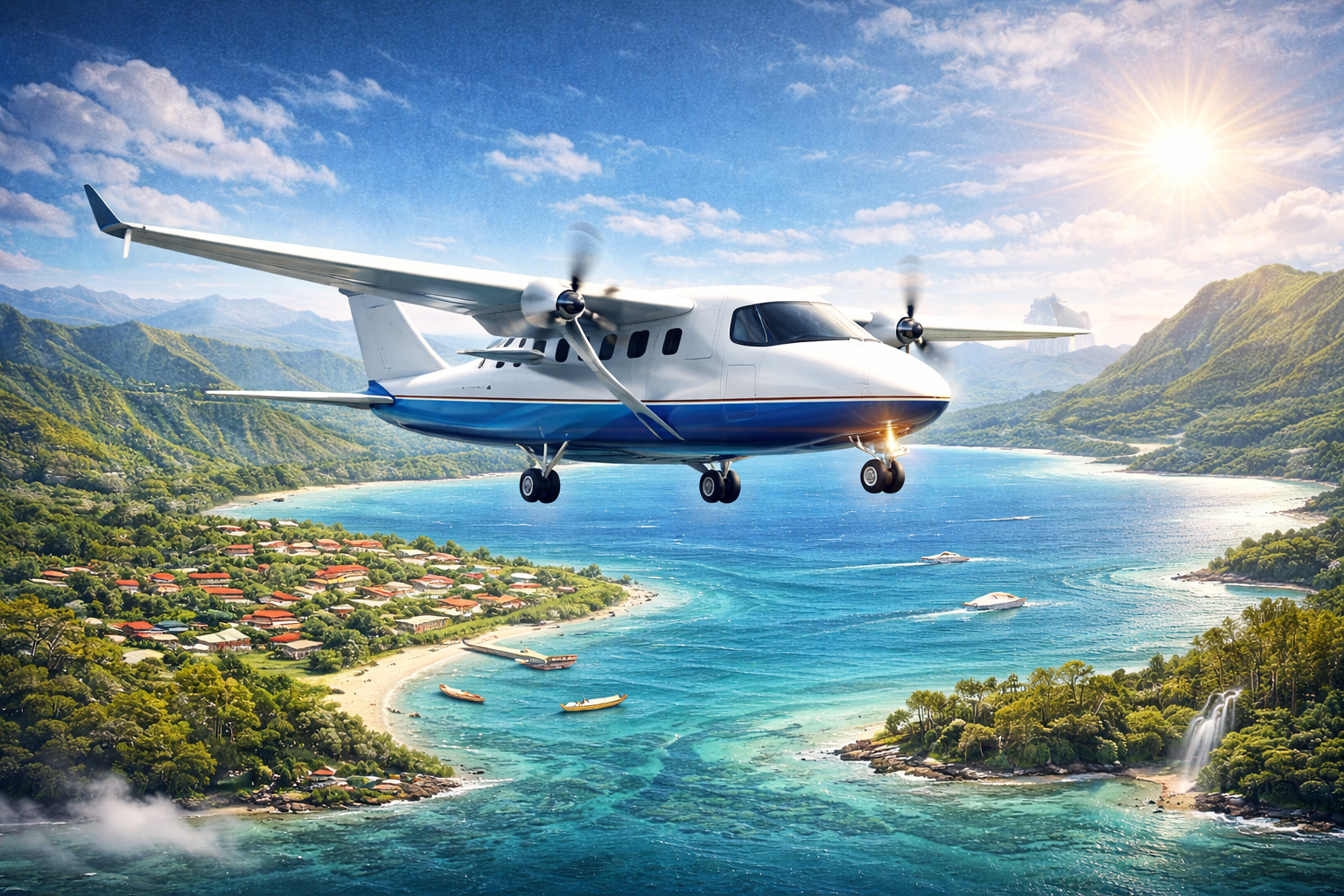
Local aircraft play a crucial role in connecting remote and underserved regions, especially in countries with vast geography such as Indonesia. Rather than focusing on large international routes, local aircraft are designed to operate on short-distance flights, linking smaller cities, rural areas, and isolated communities.
The Role of Local Aircraft in Remote Areas
In many regions, especially islands and mountainous areas, ground transportation can be slow, expensive, or even unavailable. Local aircraft provide a reliable alternative by significantly reducing travel time. For example, a journey that might take several hours or even days by land or sea can be completed in less than an hour by air.
These aircraft are often used to transport not only passengers but also essential goods such as food, medical supplies, and equipment. In emergency situations, they become vital for evacuation and disaster response.
Supporting Local Economies
Local aircraft contribute directly to regional economic development. By improving accessibility, they enable:
- Tourism Growth: Tourists can reach hidden destinations more easily, boosting local businesses.
- Trade Expansion: Faster transportation allows goods to be delivered quickly and efficiently.
- Job Creation: Airports, airlines, and related services create employment opportunities.
In regions with developing infrastructure, the presence of reliable air transport can attract investment and open new markets.
Aircraft Types Used for Local Routes
Local aviation typically uses smaller, more versatile aircraft that can operate in challenging conditions. These include:
- Turboprop aircraft for short runways and fuel efficiency
- Light aircraft for remote or low-demand routes
- STOL (Short Takeoff and Landing) aircraft for areas with limited airport facilities
These aircraft are designed to handle shorter runways, unpredictable weather, and lower passenger volumes.
Challenges in Local Aviation
Despite its importance, local aviation faces several challenges:
- High Operational Costs: Maintenance, fuel, and logistics can be expensive.
- Limited Infrastructure: Many remote areas lack proper airports or navigation systems.
- Weather Conditions: Flights are often affected by unpredictable weather.
- Low Passenger Demand: Some routes are not always profitable.
To address these issues, governments often provide subsidies or support programs to ensure continued service.
The Future of Local Aircraft
The future of local aviation looks promising with the introduction of new technologies. Electric and hybrid aircraft are being developed to reduce costs and environmental impact. Additionally, improvements in navigation systems and airport infrastructure are expected to enhance safety and efficiency.
There is also growing interest in using local aircraft to support sustainable tourism and eco-friendly transportation in remote regions.
Conclusion
Local aircraft are more than just a means of transportation—they are a lifeline for many communities. By connecting remote areas, supporting economic growth, and enabling faster access to essential services, local aviation plays a vital role in modern society. With continued innovation and investment, local aircraft will remain a key driver of regional development in the years to come.