
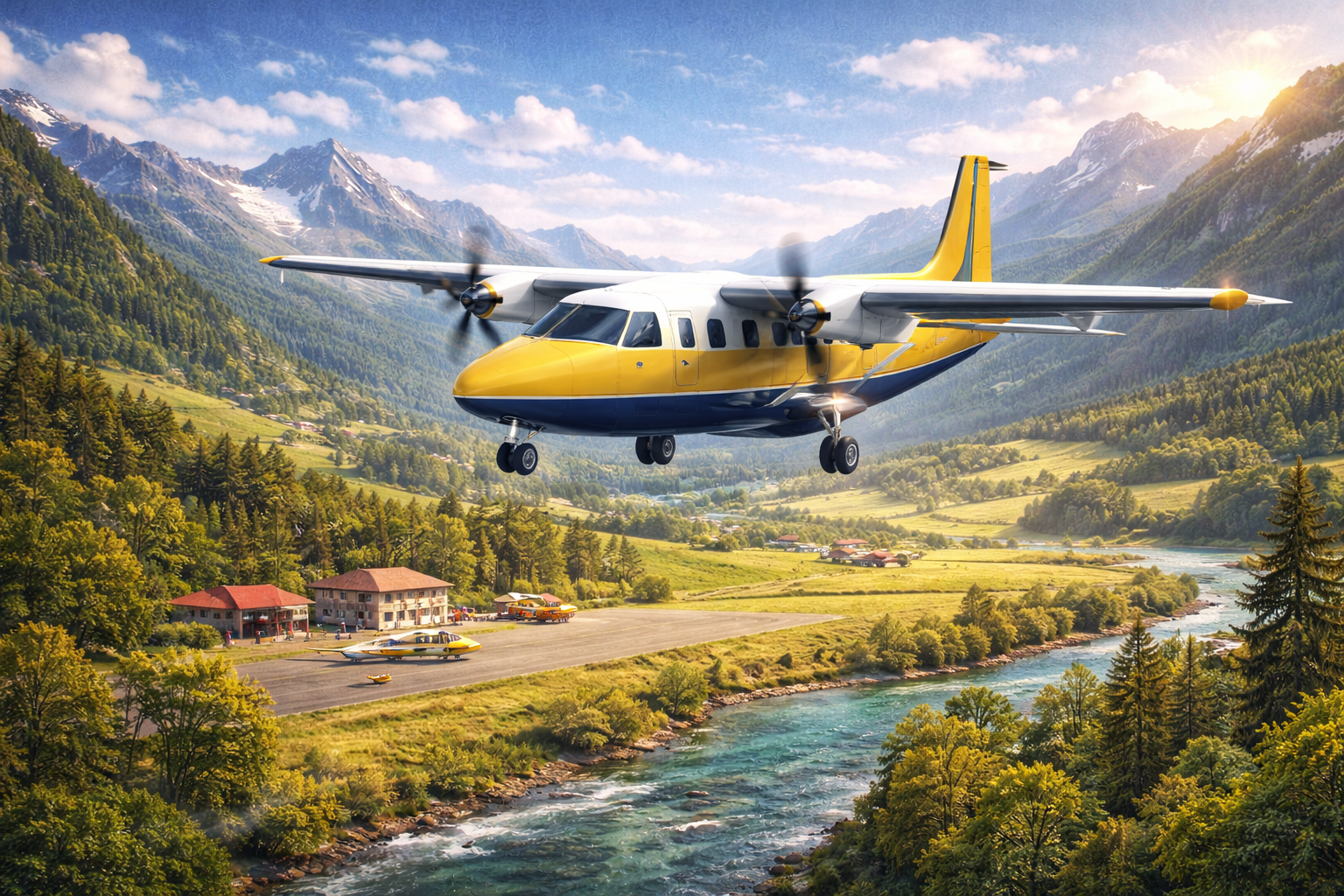
Regional aircraft have become an essential part of modern aviation, especially for short-haul routes that connect smaller cities and remote areas. Unlike large commercial jets, these aircraft are specifically designed for efficiency, flexibility, and accessibility, making them ideal for regional transportation networks.
The Importance of Regional Aircraft
Regional aircraft play a key role in bridging transportation gaps between major hubs and less-developed areas. They allow passengers to travel quickly without relying on long and complex transit routes through large international airports.
This type of aircraft is particularly valuable in countries with challenging geography, such as islands, mountains, or vast rural regions. By enabling direct flights between smaller airports, regional aircraft significantly improve connectivity and mobility.
Key Features of Regional Aircraft
Regional aircraft are built with unique characteristics that differentiate them from larger planes:
- Smaller Capacity: Typically carry between 20 to 100 passengers
- Fuel Efficiency: Designed to consume less fuel on short routes
- Short Runway Capability: Can operate in airports with limited infrastructure
- Lower Operating Costs: More economical for airlines on low-demand routes
These features make regional aircraft a practical solution for airlines aiming to expand their network without incurring high operational expenses.
Common Uses in Aviation
Regional aircraft serve multiple purposes beyond passenger transport:
- Commuter Flights: Daily connections between nearby cities
- Cargo Delivery: Transport of goods to remote locations
- Medical Evacuations: Quick response for emergency situations
- Tourism Access: Opening access to less-visited destinations
Their versatility allows them to adapt to different aviation needs efficiently.
Challenges in Regional Aviation
Despite their advantages, regional aircraft operations face several challenges:
- Limited Passenger Demand: Not all routes are consistently profitable
- Weather Sensitivity: Smaller aircraft can be more affected by weather conditions
- Maintenance Costs: Frequent short flights can increase wear and tear
- Infrastructure Limitations: Smaller airports may lack advanced facilities
Airlines must carefully plan routes and operations to balance costs and profitability.
Innovations and Future Trends
The future of regional aircraft is evolving with new technologies and sustainability goals. Electric and hybrid aircraft are being developed to reduce emissions and operational costs. Additionally, advancements in aerodynamics and lightweight materials are improving performance and efficiency.
There is also growing interest in autonomous flight systems and digital air traffic management, which could further enhance safety and reliability in regional aviation.
Conclusion
Regional aircraft are a cornerstone of modern air transportation, providing efficient and reliable connections across short distances. Their ability to operate in diverse environments and support local economies makes them indispensable in today’s aviation industry. As technology continues to advance, regional aircraft will play an even greater role in shaping the future of air travel.