Introduction
Aircraft accidents are rare events, but they often have significant consequences. Despite aviation being one of the safest modes of transportation, accidents can still occur due to a combination of human, technical, and environmental factors. Understanding the causes of aircraft accidents and the measures taken to prevent them is essential for improving aviation safety.
Over the years, advancements in technology and stricter regulations have significantly reduced the number of aviation accidents worldwide.
What is an Aircraft Accident?
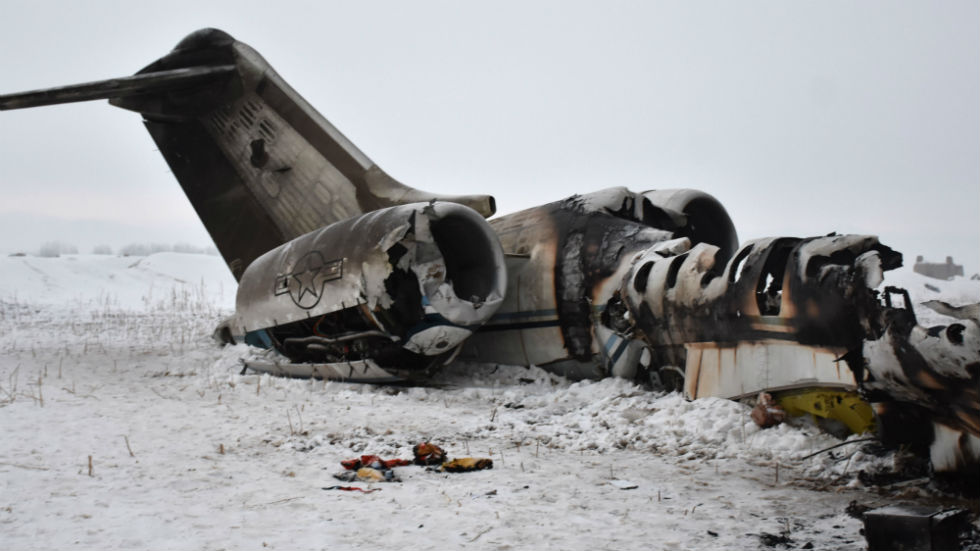
An aircraft accident is an incident involving an aircraft that results in damage, injury, or loss of life. These accidents can occur during different phases of flight, including takeoff, cruising, and landing.
Common Causes of Aircraft Accidents
1. Human Error
Human error is one of the leading causes of aircraft accidents. This includes pilot mistakes, miscommunication, fatigue, or poor decision-making during critical situations.
2. Weather Conditions
Severe weather such as storms, heavy rain, turbulence, fog, and strong winds can greatly affect flight safety, especially during takeoff and landing.
3. Mechanical Failure
Technical problems such as engine failure, system malfunctions, or structural issues can lead to accidents if not properly managed.
4. Maintenance Issues
Inadequate or improper maintenance can result in undetected faults that may cause serious problems during flight.
5. Environmental Factors
Difficult terrain, bird strikes, and runway conditions can also contribute to aviation accidents.
High-Risk Phases of Flight
Most aircraft accidents occur during:
- Takeoff: Requires full engine performance and precise control
- Landing: Demands accuracy and clear visibility
- Approach phase: Critical transition before landing
Impacts of Aircraft Accidents
- Loss of lives and injuries
- Significant financial losses
- Damage to aircraft and infrastructure
- Emotional and psychological impact on families
- Reduced public confidence in aviation
Safety Measures and Prevention
1. Pilot Training
Pilots undergo extensive training to handle emergencies and improve decision-making skills.
2. Advanced Technology
Modern aircraft are equipped with advanced navigation systems, autopilot, and safety features.
3. Regular Maintenance
Strict maintenance schedules ensure that aircraft remain in safe operating condition.
4. Air Traffic Control
Effective communication between pilots and air traffic controllers helps prevent collisions and manage traffic safely.
5. Safety Regulations
Aviation authorities enforce strict rules and standards to ensure safety across the industry.
Role of Technology in Aviation Safety
Technology plays a major role in reducing accidents, including:
- Collision avoidance systems
- Weather radar systems
- Flight data monitoring
- Automated warning systems
Challenges in Aviation Safety
- Unpredictable weather conditions
- Increasing air traffic
- Human limitations
- High operational costs
Future of Aviation Safety
The aviation industry continues to evolve with innovations such as:
- Artificial intelligence in flight systems
- Autonomous aircraft
- Improved safety monitoring systems
- Enhanced global safety standards
Conclusion
Aircraft accidents are complex events caused by multiple factors, but continuous improvements in technology, training, and regulations have made aviation safer than ever before. By understanding the causes and implementing effective safety measures, the industry continues to reduce risks and protect passengers.
Safety remains the top priority in aviation, and ongoing advancements will further enhance the reliability and security of air travel in the future.